
Rethinking Skills and Prompts for GPT-6 Astra
Revisit skill descriptions, AGENTS.md, and task prompts to avoid bloated context, clarify decision boundaries, and help GPT-6 Astra carry tasks through to completion.
 Bubble’s Brain
Revisit skill descriptions, AGENTS.md, and task prompts to avoid bloated context, clarify decision boundaries, and help GPT-6 Astra carry tasks through to completion.
OpenAI shares internal evidence on coding-agent usage, experiment velocity, task success and human intervention, alongside safety restrictions and the methods used to measure research acceleration.
A reading of Brandon Sovran's Slop-Creep: cheaper implementation makes unnecessary systems easier to accumulate, putting more weight on demand, ownership, and long-term value.
Anthropic's production architecture for commerce agents: a single agent with skills and business tools, supported by latency, caching, memory, safety, evaluation, and organizational practices.
Anthropic's guidance for Claude Fable 5.1: choosing effort, keeping users informed, batching tools, preserving append-only history, finishing tasks, controlling scope, coordinating subagents, and improving vision workflows.
Vercel explains how design.md combines design judgment, a public stylesheet, human review, and deterministic checks in an evolving evaluation loop for on-brand agent-generated pages.
Warp turns one-off human feedback into skill files: an inner base skill does the work, an outer improver skill digests feedback on a schedule and opens PRs, so agent output keeps getting sharper with use.
Factory's ProgramBench study shows why coding agents stop early on large software tasks, and how an independent executable standard of completion can push them toward behavioral parity.
A complete walkthrough of the model loop, MCP, skills, sandbox execution, subagents, context compaction, approval gates, and durable event streams behind a long-running agent.
A short explanation of how reasoning traces work, how reasoning effort enters the system prompt, and why disabling native reasoning can expose unexpected scratch work.
An interconnected-knowledge thesis: what it means for scientific breakthroughs, potential safety risks, and continual learning.

Nick Nisi explains why treating pi as a faster Claude Code missed its real value: an extension surface that lets tooling move from outside the coding harness into the session itself.
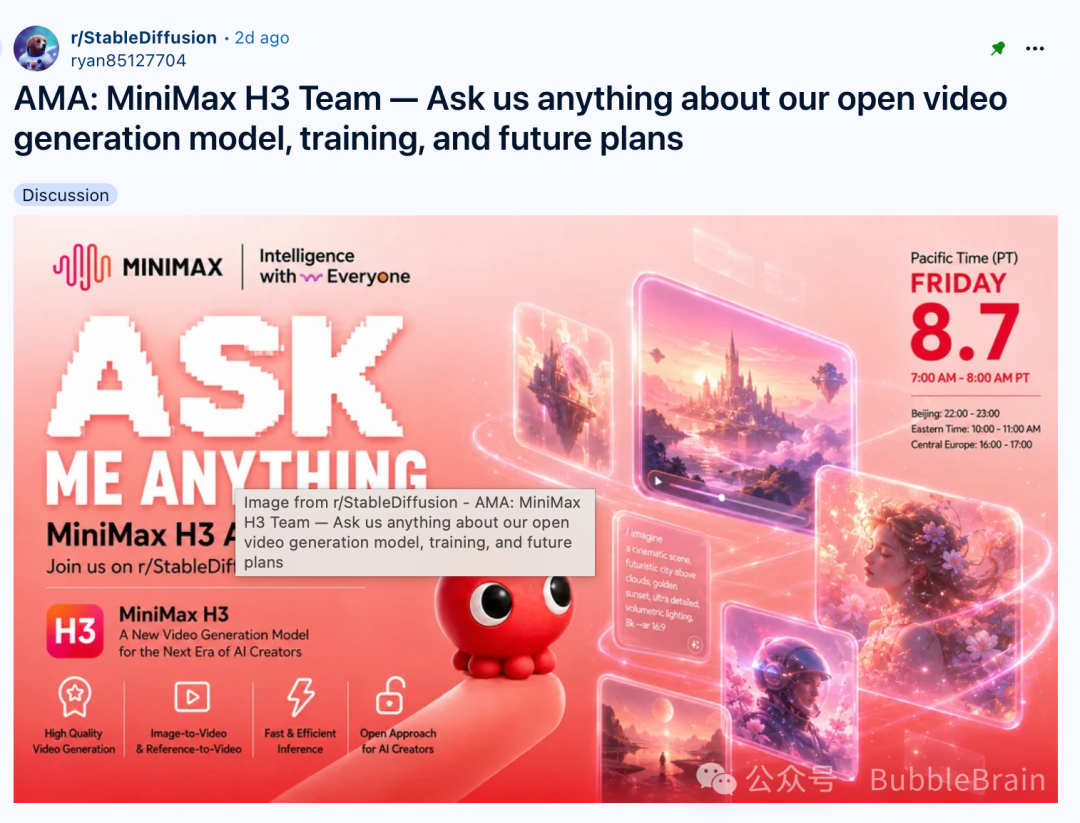
MiniMax answers key questions about H3's open-source roadmap, 2K regeneration, sparse attention, low-step variants, image generation, and distant-subject quality.
Sean Goedecke reflects on how AI-driven context switching favors fast judgment over deep thought, and why reading books and writing in your own words can preserve the habit of thinking slowly.
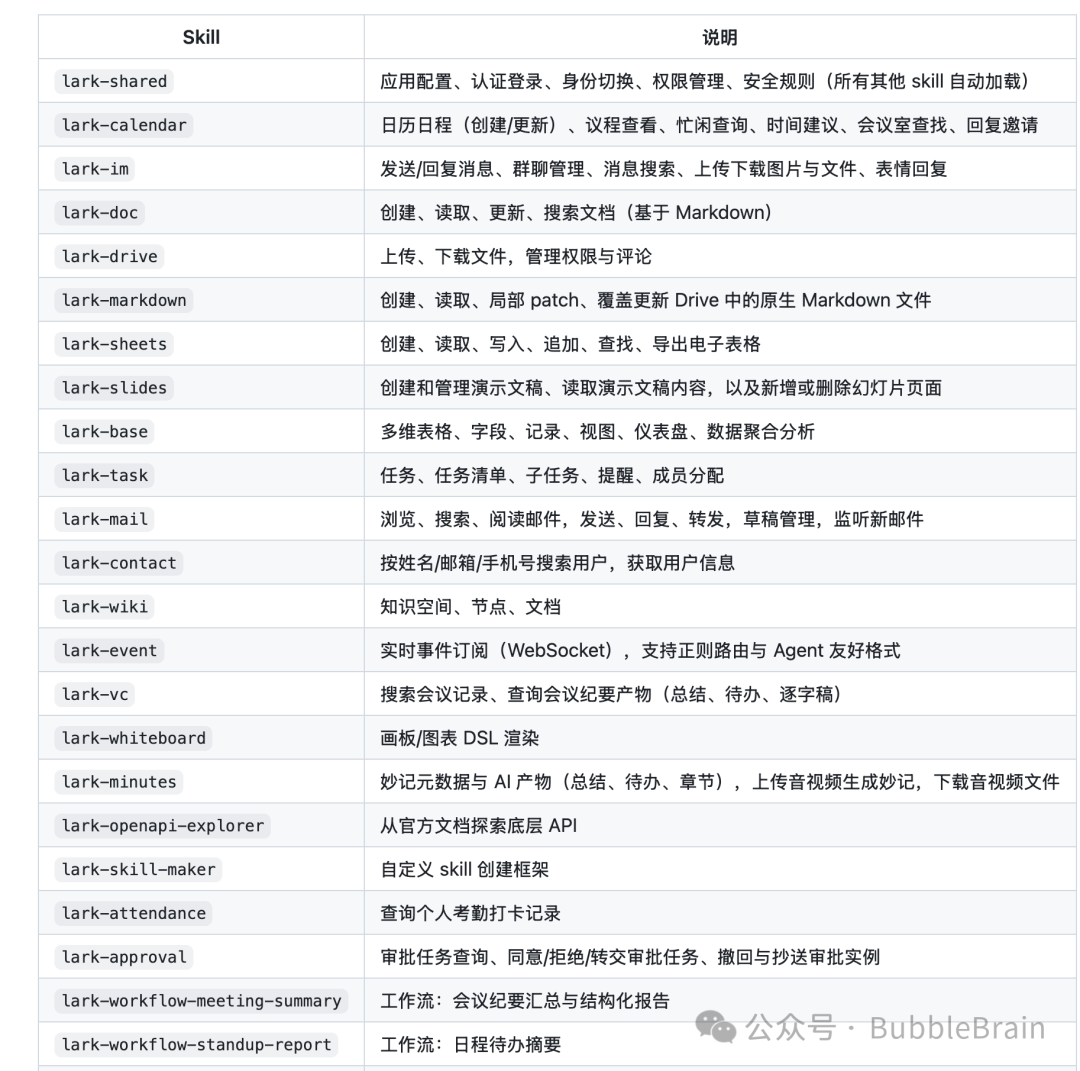
A plain-language guide to CLI, harnesses, skills, HTML, and GitHub for readers building practical AI literacy without a technical background.
Inference APIs increasingly bind sessions to providers through encrypted reasoning, hidden search context, opaque compaction, sealed subagent messages, and server-side IDs.

HyperFrames explains how typed composition variables turn one video build into reusable templates for personalized local, cloud, and Lambda batch rendering.

Miguel explains how camelAI replaced always-on VMs with Durable Objects, SQLite, R2, Pi, Code Mode, dynamic Workers, and narrowly scoped Linux containers.

Dex Horthy tests Opus 4.8, Sonnet 5, and Opus 5 on SlopCodeBench to measure whether frontier models can evolve a codebase across incrementally revealed requirements.
How prompt caching shapes the cost, latency, tools, and architecture of coding agents, and what Pi does to keep cache behavior visible.

HyperFrames explains how its cloud renderer moves the same project from local Chrome and FFmpeg to managed infrastructure, including templates, CI, callbacks, and idempotent production workflows.

HyperFrames explains how Claude Design's brand-aware HTML and CSS output can move directly into a video workflow, and where Claude Code improves the final render.

Dex Horthy examines why lights-off AI software factories degrade codebase maintainability, why current benchmarks miss design quality, and where human review still matters.
poteto's practical guide to building a rigorous verification skill for coding agents, including a reproducible control CLI, Feature Maps, cloud agents, and automated verification workflows.

A step-by-step reconstruction of a Claude Code-style agent harness with the core loop, tools, planning, subagents, sandboxing, approvals, memory, and checkpointing in CrewAI.
No matching records.